November 19, 2026
Why I Think Kids Need Room to Figure Things Out on Their Own
By Adam Joerres
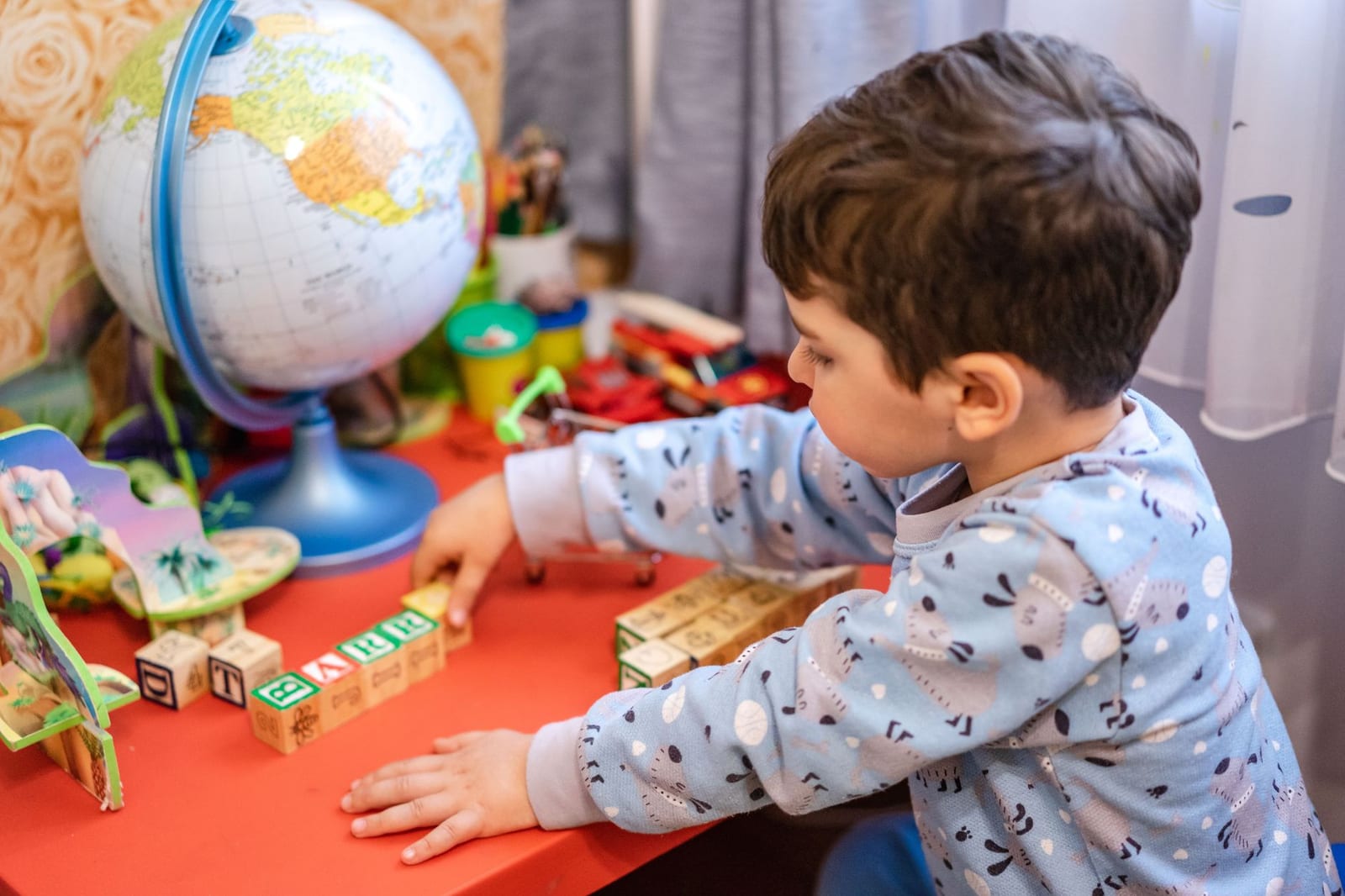
As a parent, one of the most natural instincts is wanting to help your children. When they are struggling with something, you want to offer advice, explain what they should do differently, or step in before they become too frustrated. Most of the time, that instinct comes from a good place. You want them to succeed, and you do not enjoy watching them have a difficult experience.
But I have come to appreciate that helping children does not always mean solving the problem for them.
Sometimes the better thing to do is give them a little space to figure something out themselves, even when you can see a solution that seems obvious.
I think about this particularly when it comes to sports. I enjoy bringing my kids to their activities and watching them participate. Having played soccer myself, I understand how exciting it can be to improve at something and how frustrating it can feel when things do not go as planned.
Watching from the sidelines has also given me a different perspective on what it means to be supportive.
The Temptation to Step In
When you are watching your child struggle with something, it can be difficult to remain quiet.
Maybe they are having trouble with a particular skill, making the same mistake repeatedly, or feeling discouraged because another child seems to be progressing faster.
As a parent, you naturally want to help them move past that frustration.
You might offer advice about what they should do differently or explain how you would handle the situation.
There is nothing inherently wrong with giving guidance. Children need support, encouragement, and direction.
However, I think there are times when too much advice can become overwhelming.
If a child is constantly being told what to do, they may begin relying on those instructions instead of learning to make decisions independently.
That is something I try to keep in mind. Just because I can see a different way to approach a situation does not necessarily mean I need to explain it immediately.
Sometimes allowing them to work through the challenge is more valuable.
Mistakes Are Part of Learning
I think adults sometimes forget how much learning involves getting things wrong.
When you have experience with something, the correct approach can seem obvious. You know what to look for, which mistakes to avoid, and what steps are likely to produce a better result.
Children do not have that same perspective yet.
They are still developing their understanding through practice, observation, and experience.
In sports, that might mean missing an opportunity, making a poor decision during a game, or struggling to perform a skill they have been practicing.
Those moments can be disappointing, especially when a child has put in a lot of effort.
But I do not think every disappointing experience needs to be corrected immediately.
Sometimes children need an opportunity to think about what happened and decide what they might do differently next time.
That process helps them develop confidence in their own judgment.
Of course, there is a difference between allowing children to make ordinary mistakes and leaving them without support when they genuinely need help. The challenge is recognizing when guidance is necessary and when a little patience might be more beneficial.
Learning to Watch Without Controlling
One of the interesting things about being a sports parent is that your role changes depending on the situation.
You can encourage your child, help them get to practice, and celebrate their accomplishments. But once they are participating, much of what happens is outside your control.
You cannot make every decision for them, and you cannot guarantee that every game will go well.
I think accepting that is important.
There can be a temptation to focus too much on the result. Did they win? Did they play well? Did they make a mistake that affected the game?
Those questions are understandable, but they do not always tell the full story.
A child might have a difficult game while still demonstrating improvement in an area they have been working on. They might show more confidence, communicate better with teammates, or continue trying despite feeling frustrated.
Those are meaningful accomplishments, even if they do not appear on a scoreboard.
I would rather my children develop a genuine interest in their activities than feel that every experience is being evaluated solely by how well they perform.
Confidence Comes From Experience
I think there is a particular kind of confidence that develops when someone figures something out independently.
It is different from being told that you are capable or receiving praise for completing a task.
When a child struggles with something, keeps practicing, and eventually improves, they have direct evidence that their effort made a difference.
That experience can be more meaningful than having someone immediately provide the answer.
It also teaches patience.
Not every skill develops quickly, and progress is rarely consistent. There may be periods when a child improves noticeably, followed by stretches when things seem to stay the same.
I think it is important to help children understand that this is normal.
A difficult practice or disappointing game does not erase the progress they have already made.
At the same time, I try to remember that children have their own personalities and interests. What motivates one child might not work for another.
Supporting them means paying attention to what they enjoy and recognizing that their experience does not need to look exactly like someone else's.
Knowing When to Offer Advice
Giving children independence does not mean avoiding difficult conversations or pretending that mistakes do not matter.
There are situations where guidance is necessary, especially when safety, respect, or responsibility is involved.
I think the question is how that guidance is delivered.
Rather than immediately explaining everything that went wrong, it can be useful to ask children how they felt about the experience.
What did they think went well? Was there something they found difficult? Is there anything they want to work on?
Their answers might be different from what you expected.
A parent may be focused on one particular mistake while the child is thinking about something entirely different.
Listening first can help you understand whether they want advice, encouragement, or simply someone to acknowledge how they feel.
I also think timing matters.
Right after a disappointing game may not be the best moment for a detailed discussion about what could have gone differently. Sometimes children need time to process the experience before they are ready to talk about it.
Being supportive includes recognizing when a conversation would be helpful and when it can wait.
Letting Kids Develop Their Own Interests
Another part of giving children room to grow is allowing them to develop their own relationship with the activities they choose.
As parents, we naturally bring our own experiences and interests into family life. Since soccer has been part of my background, I enjoy seeing my children participate in sports.
But I also recognize that their interests and goals may not always be the same as mine.
Something that was important to me growing up might not hold the same meaning for them.
I think it is important to respect that difference.
Sports can provide valuable experiences, but children should also have opportunities to discover what they enjoy and what they want to pursue.
The goal should not be to recreate a parent's experiences. It should be to support children as they develop their own abilities, interests, and confidence.
Being Present Matters More Than Having Every Answer
One thing I appreciate about attending my children's sporting activities is the opportunity to be part of something that matters to them.
Not every game is going to be memorable, and not every practice will lead to a noticeable improvement. There will be exciting moments, frustrating moments, and plenty of ordinary days in between.
I think those ordinary moments matter more than we sometimes realize.
Being there, paying attention, and showing interest can communicate support without requiring a constant stream of advice.
I do not believe parents need to have the perfect response to every challenge their children encounter.
Sometimes the most helpful thing is to listen, offer encouragement, and remind them that one difficult experience does not define what they are capable of accomplishing.
As a parent, I am still learning how to balance guidance with independence. I do not expect to get that balance right every time.
But I believe children benefit from having opportunities to make decisions, experience setbacks, and discover what they can accomplish through their own effort.
Ultimately, I want my kids to know that I am there to support them, whether they succeed immediately or need more time to figure something out.
Giving them room to grow does not mean stepping away from my responsibility as a parent. It means recognizing that part of that responsibility is helping them become confident enough to face challenges on their own.